
Energy Efficiency in Residential Buildings: How Homeowners Are Saving, Renovating, and Benefiting from Incentives Today

A home’s energy efficiency now plays a major role in determining ongoing energy costs, the comfort of living for residents, and the market value of the property. Improving a building’s energy efficiency delivers double the benefit: lower consumption costs and long-term appreciation in value. At the same time, homeowners contribute to climate protection and resource conservation, increasingly rewarded by government incentive programs. In short, energy efficiency is a cornerstone of modern residential quality.
Why Is Energy Efficiency a Priority for German Households Today?
Private households in Germany are facing significant energy price hikes — heating, hot water, and electricity are placing more strain on household budgets than ever before. A highly energy-efficient home needs less energy and is therefore more insulated from fluctuations in the energy market.
Key Benefits for Homeowners:
- More stable utility bills and reduced financial pressure
- Increased property value
- Comfortable indoor climate all year round
- Access to government subsidies and grants
With each step taken to improve energy efficiency, the advantages become clearly noticeable. Many homeowners report significantly less draft, better temperature control, and reduced noise levels — all without disrupting their daily lives.
What Does the Energy Efficiency Act Mean for Residential Buildings?
The Energy Efficiency Act provides a policy framework aimed at structurally reducing Germany’s energy consumption. For homeowners, this means:
- Minimum standards for renovation work
- Proof and documentation of energy demand
- Incentives for modern heating and building technology
The law also increases transparency: buyers and renters should be able to immediately understand how efficient a building is. As a result, a home’s energy rating has become significantly more important.
Home Energy Efficiency Classes: How Is Performance Measured?
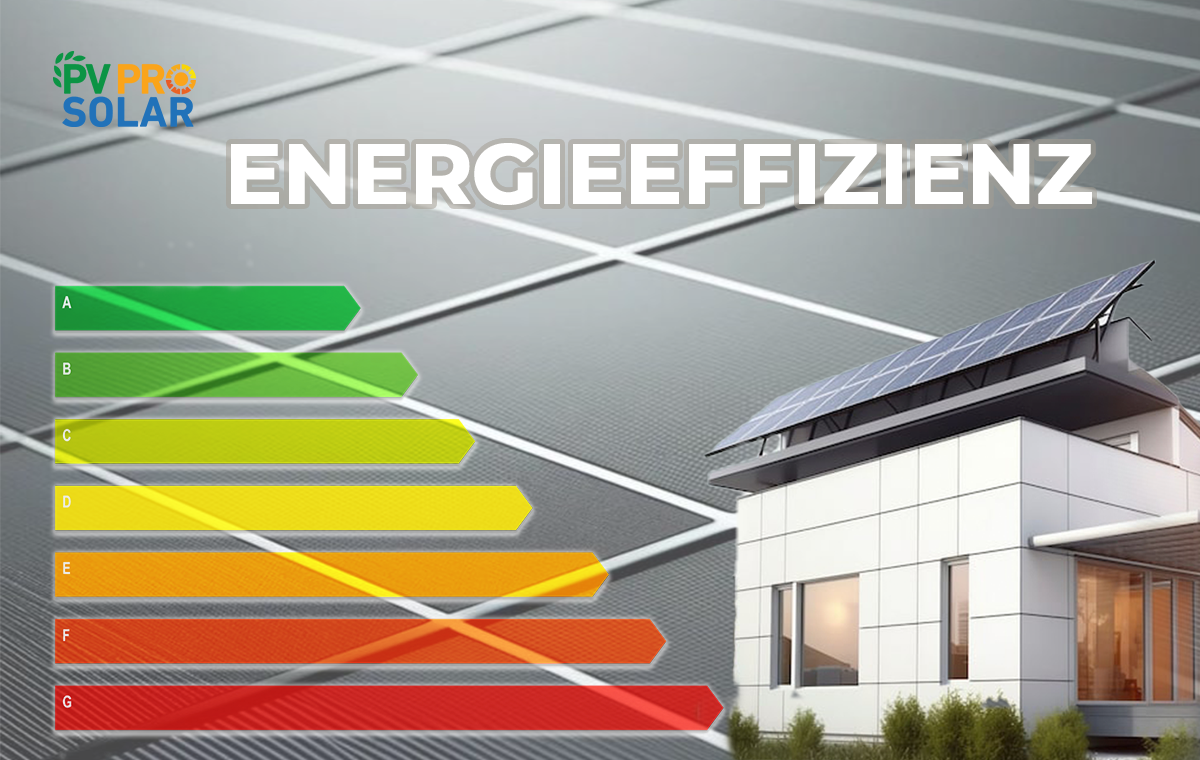
Home energy efficiency classes range from A+ and A down to H — similar to labels on household appliances.
Better efficiency classes mean:
- Lower energy use
- Reduced emissions
- Lower heating and electricity costs
Owners who invest in improving their home’s efficiency class benefit economically. Accordingly, energy-optimized homes are becoming more attractive to banks, buyers, and renters alike.
What Does the Building’s Energy Efficiency Class Actually Indicate?
A building’s energy efficiency class is a key indicator of how well the entire property performs. It takes into account both the primary energy demand and the quality of the building envelope.
A good rating indicates:
- Minimal energy loss
- Use of modern technology
- Sustainable energy consumption over time
This classification plays a vital role in property valuation and eligibility for subsidies.
Energy Efficiency Class of Buildings vs. Houses — What’s the Difference?
The building’s energy efficiency class refers to the specific rating of your individual property, while the house energy efficiency class is often used more broadly to compare different types of homes on the market — for example, older properties vs. new builds.
What matters most for homeowners is the clear question: Where does my property currently stand — and how can I improve its class?
The rating impacts a home’s saleability, financing potential, rental appeal, and eligibility for funding programs.
What Does It Take to Achieve the Best Energy Efficiency Class?
The top energy efficiency class (A+ or similar) means that a home is optimally insulated and equipped with cutting-edge technology:
- High-performance insulation & airtight building envelope
- Efficient heating systems — ideally heat pumps
- Active use of renewable energy
- Holistic energy management systems
Homes with top ratings also see a significant boost in resale value. It’s a future-proof investment — and often supported by government grants and incentives.
Boosting Energy Efficiency at Home: Top Strategies at a Glance
Improving your home’s energy efficiency often starts with simple yet powerful steps:
1. Upgrade the Building Envelope
- Insulate facades and roofs
- Insulate basement ceilings
- Install triple-glazed windows → Prevents energy loss and improves thermal comfort
2. Optimize Heating and Hot Water
- Use heat pumps
- Switch to hybrid heating systems
- Add efficient control systems → Noticeably reduces energy demand
3. Use Solar Power and Storage
- Generate and store solar energy → Increases energy efficiency and reduces grid dependence
4. Smart Energy Management
- Automated heating and power controls → Every energy use is optimized for efficiency
These strategies combine technology and structural upgrades — and help homeowners save money quickly and sustainably.
Energy Efficiency Consulting: Why Expert Advice Pays Off?
Professional energy efficiency consulting precisely identifies which upgrades are truly worthwhile — both technically and financially.
Consultants can assist with:
- Customized analysis
- Creating a step-by-step renovation roadmap
- Applying for government subsidies
In many cases, an official consultation is a prerequisite for receiving funding. That means every euro invested works harder.
KfW Energy Efficiency – Make the Most of Incentives
KfW energy efficiency programs support energy-focused renovations through:
- Low-interest loans
- Direct grants
- Efficiency house certification levels
These programs lower upfront costs and help homeowners see a faster return on investment from their energy upgrades.
Energy Efficiency Funding Programs: Who Can Apply?
There are funding programs for a wide range of home energy renovations. These include roof, façade, and basement insulation, as well as replacing old windows to reduce heat loss. Upgrades to heating systems — such as modern controllers or switching to efficient heat pumps — are also eligible. Additionally, photovoltaic systems with battery storage and smart energy control systems may qualify for grants or low-interest loans.
In short, energy efficiency funding programs allow homeowners to cut costs immediately while increasing the value of their property.
Planning Your Energy-Efficient Renovation — Step by Step
For homeowners looking to improve efficiency, a clear renovation strategy is essential:
- Prioritize insulating the building envelope
- Replace the heating system
- Integrate solar technology
- Digitize energy management
By following this logical sequence, all upgrades work together — maximizing the outcome. A well-planned energy-efficient renovation avoids costly mistakes and unlocks full potential.
Energy Efficiency + Solar Power = The Winning Combination for Homes
Photovoltaic systems are among the most powerful energy efficiency tools for private households:
- Cut electricity costs for the long term
- Maximize self-consumption
- Boost energy independence
- Improve the home’s energy rating
Solar systems and battery storage noticeably improve a home’s energy performance — and positively influence its valuation. Homes become more independent, modern, and future-ready.
Energy Efficiency Makes Homes Fit for the Future
Investing in energy efficiency provides homeowners with long-term benefits:
- Protection from rising energy costs
- Climate-neutral living
- Higher property values
- Greater control over energy supply and costs
Those who act early enjoy the greatest advantages — both financially and in everyday comfort.
Your Next Step — With PVPro Solar at Your Side
Looking to modernize your home, take advantage of funding opportunities, and significantly boost your energy efficiency?
PVPro Solar is your expert partner for:
- Planning and installing solar power systems
- High-performance storage solutions
- Optimizing energy self-consumption
- Advising on government subsidy programs
Find out more: PVPro Solar GmbH
Request your personal consultation today — and make your home more energy-efficient, independent, and valuable.
Which upgrades improve a home’s energy efficiency the fastest?
Insulation, modern heating systems, and a solar PV system with storage are among the most effective immediate measures to reduce energy use and costs.
What subsidies are available for improving energy efficiency?
Germany offers a variety of grants and loans via KfW and BAFA — covering insulation, heat pumps, solar systems, and smart energy management tools.
How does the energy efficiency class impact property value?
A better energy rating increases a home’s appeal, financing options, and resale value — as lower running costs and consumption make it more desirable.