
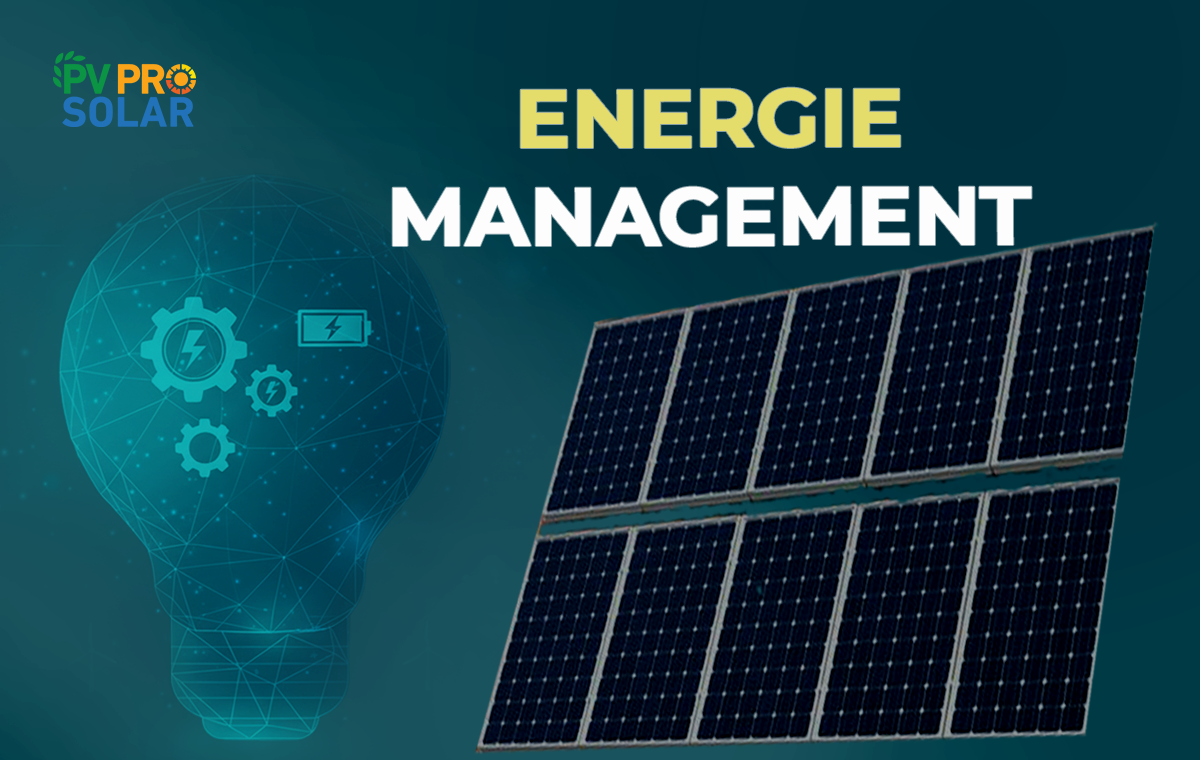
Energy Management: The Key to Smarter, More Efficient, and Cost-Saving Power Supply

In today’s evolving energy landscape, energy management plays a central role. Rising electricity costs, growing sustainability demands, and the widespread expansion of renewable energy systems are making intelligent energy control systems a necessity. Whether in private homes, commercial buildings, or across entire businesses, energy management is no longer a technological gimmick — it has become a clear economic imperative.
Smart energy management systems ensure not just energy generation, but optimal usage — in ways that are cost-effective, environmentally friendly, and highly reliable. These systems seamlessly integrate digital tools and automation, making the future of energy supply smarter than ever before.
Why Is Energy Management Essential Today?
A robust energy management system enables users to monitor, optimize, and control energy consumption with precision. This ensures maximum benefit from every kilowatt-hour produced — whether in a private home or a large-scale enterprise.
Top benefits of structured energy management:
- Reduced energy costs through smart load control
- Increased self-consumption of solar energy from PV systems
- Maximum efficiency via automation
- Full transparency through modern energy data management
- Optimal use of renewable energy sources
And the more electrical consumers involved — such as EV chargers, heat pumps, or battery storage — the greater the importance of a comprehensive energy management strategy.
Home Energy Management: A Smarter Way to Live
A home energy management system coordinates all energy-related processes in the household. For instance, it decides whether solar power from your PV system should be used immediately, stored, or fed into the grid.
Smart home energy systems ensure that appliances run when electricity is cheapest or self-generated. Common features include:
- Managing heating and heat pumps
- Optimizing electric vehicle charging
- Automatically shifting energy-heavy tasks to low-cost times
- Prioritizing essential devices during low generation periods
The result is an intelligent system that blends comfort and efficiency.
Corporate Energy Management: A Competitive Advantage
Energy management in businesses goes far beyond reducing operational costs — it’s a cornerstone for:
- Meeting regulatory requirements
- Achieving climate goals and sustainability reporting
- Process optimization
- Securing production through energy efficiency
In energy-intensive industries, especially, energy management is vital to maintain international competitiveness.
Many companies rely on energy management software to monitor consumption and identify potential savings. This tightly integrates building energy management with production control systems, increasing overall efficiency.
Building Energy Management: Efficiency in Every Square Meter
Building energy management includes the control of heating, cooling, lighting, PV integration, storage, and ventilation. A smart system can instantly detect and eliminate energy waste.
The goal: dynamically adjust energy use to match actual demand — day by day, in real time. That’s why energy management plays such a crucial role in modern building technology.
Energy Management Systems & Certifications: A Guarantee of Quality
Many organizations pursue energy management certifications, typically under DIN EN ISO 50001. This certification confirms:
- Complete data tracking and analysis
- Continuous improvement in energy usage
- Verified sustainability performance
- Eligibility for government tax reliefs
Here too, energy management is the foundation for achieving high operational standards.
How Does a Modern Power Management System Work?
A power management system automatically manages household appliances, energy storage, and PV systems for maximum efficiency.
Typical scenarios:
Daytime:
-
- Solar power supplies the home
- Excess energy charges the battery
Evening:
-
-
- Battery discharges to meet demand
- Grid power is used only when necessary
-
Cloudy winter days:
-
-
-
- Priority given to essential devices
- Load management ensures balance
-
-
Modern energy management systems handle all this automatically.
Energy Data Management: Transparency Drives Efficiency
With professional energy data management, users can clearly see:
- How much energy is being consumed
- Which devices are the biggest energy users
- When battery charging is most cost-effective
Why PV Systems Only Reach Their Full Potential With Energy Management?
Solar power is one of the best energy sources available — it’s clean, local, and free. But only with effective energy management can every watt be used to its fullest potential.
A well-designed energy management system:
- Reduces reliance on the grid
- Increases the proportion of self-consumed solar power
- Extends battery lifespan
- Makes energy flows predictable and controllable
PV systems without energy management = Saving energy with the brakes on. → Energy management releases the full potential.
Smart Energy Management: The Future Starts Now
With intelligent energy management, energy isn’t just distributed — it’s anticipated and optimized. Using forecasts, dynamic tariffs, and weather data, the system finds the most efficient way forward at any moment.
- More autonomy
- More control over costs
- More climate protection
In short, Smart energy management is the future of energy systems.
Energy Management Brings the Energy Transition Into Your Home
A modern energy management system delivers:
- Full control over consumption and costs
- Smart use of solar electricity
- Automated, efficient energy distribution
If you’re generating solar power, you need energy management to get the most out of it.
Get Smarter: Energy Management with PVPro Solar
PVPro Solar GmbH doesn’t just plan powerful photovoltaic systems — It also integrates the right energy management systems to ensure your energy flows seamlessly and efficiently.
Personalized consultation & planning for your Smart Energy Home
Get the most out of your energy — efficient, intelligent, and future-ready.
What exactly does energy management do?
It controls energy flows, optimizes costs, and increases solar power self-consumption.
Is a home energy management system worth it?
Yes — it significantly lowers electricity bills and boosts the use of your self-generated solar power.