

How Solar Farms Work in Germany?

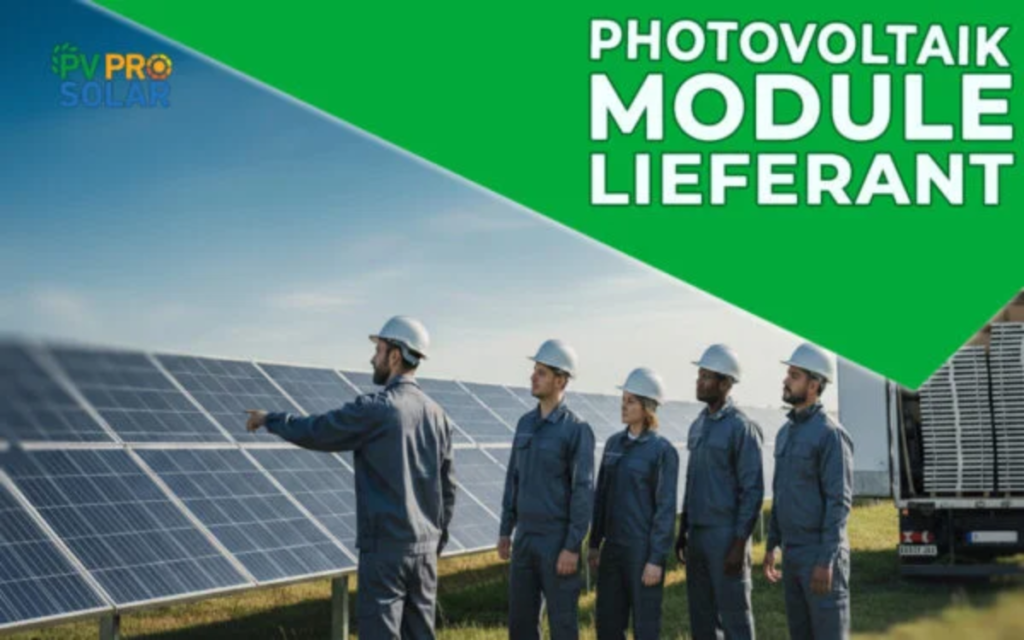
Solar farms in Germany are large-scale photovoltaic systems that convert sunlight directly into electricity, playing a vital role in the country’s energy transition. Comprising thousands of solar modules installed on open land, they feed electricity into the public grid. But how exactly do solar farms work in Germany, and why are they considered one of the most efficient forms of renewable energy in the country?
How Do Solar Farms Work in Germany?
At their core, solar farms are industrial-scale photovoltaic installations that convert sunlight into direct current (DC) electricity using solar cells. This electricity is then transformed into alternating current (AC) by inverters to comply with the public power grid. The generated electricity can be fed directly into the grid or used locally.
In Germany, these ground-mounted PV systems are typically built on decommissioned agricultural land, former industrial sites, or along highways and railway lines. Such locations enable optimal solar yield with minimal environmental impact.
A key element in the operation of solar farms is grid integration, which is regulated by the Renewable Energy Sources Act (EEG). Under this law, operators receive a guaranteed feed-in tariff for every kilowatt-hour supplied. This ensures the long-term economic viability of solar farms.
Thus, solar farms not only contribute to electricity generation but also help Germany meet its climate targets for 2045.
What Is the Technical Structure of a Solar Farm?
Solar farms consist of several core components that work in concert to efficiently harness solar energy.
What Components Make Up a Ground-Mounted PV System?
A typical solar farm includes:
- Solar modules: Convert sunlight into electric current.
- Inverters: Transform DC into AC suitable for the grid.
- Transformers: Step up voltage levels for long-distance transmission.
- Cabling and mounting systems: Ensure electrical connectivity and physical stability.
The solar modules are installed at an optimal tilt angle to maximize energy output year-round.
How Is Sunlight Converted Into Electricity?
Solar power generation is based on the photoelectric effect. When sunlight hits the solar cells, electrons are dislodged and start to flow—creating an electric current. This direct current is collected, converted via inverters, and fed into the public grid.
The technology is robust, low-maintenance, and typically lasts more than 25 years.
How Is the Generated Electricity Fed into the Grid?
Once a solar farm produces electricity, the energy is collected and processed through inverters.
Grid Connection and Inverters
Inverters are essential for maintaining a stable grid voltage and preventing fluctuations. After conversion, the electricity is routed through transformer stations to medium-voltage levels before entering the public grid.
Feed-in Tariffs and EEG Regulations in Germany
According to the EEG, solar farm operators receive a guaranteed feed-in tariff for 20 years. This provides planning security and makes solar energy projects financially attractive. Alternatively, operators may opt for direct marketing, which is becoming increasingly common to achieve higher returns.
What Are the Steps Involved in Planning and Approving a Solar Farm?
Planning a solar farm is a multi-phase process involving technical, environmental, and legal considerations.
Site Analysis and Environmental Assessment
The first step is site selection, analyzing solar radiation levels, grid connection options, and soil conditions. Environmental impact assessments are also conducted to ensure local ecosystems are not harmed.
Ideal sites often include former industrial or military land, or less-productive farmland.
Legal Framework and Construction Permits
Solar farms require building permits, land use plans, and often municipal approval. In Germany, strict regulations apply to ensure land conservation and sustainable use. Once permits are granted, the technical implementation can begin.
How Profitable Are Solar Farms in Germany?
The profitability of solar farms depends on several factors—chiefly, investment costs, site conditions, subsidies, and electricity market prices.
Economic Drivers and Support Programs
Thanks to declining module prices and improved efficiency, solar farms are significantly more profitable today than a decade ago. Funding programs such as KfW loans for renewable energy projects help investors finance and implement projects.
Power Purchase Agreements (PPAs)—contracts where companies buy electricity directly from solar farms—also provide long-term revenue stability.
Operating Costs, Maintenance, and Lifespan
Compared to other forms of energy, operating costs are relatively low. Routine maintenance, module cleaning, and remote monitoring ensure high efficiency and long service life—often over 30 years. Depending on the location, most projects reach break-even within 8 to 12 years.
What Environmental Factors Must Be Considered?
Solar farms are generally seen as environmentally friendly, but there are ecological considerations.
Land Use and Biodiversity
A common concern is land consumption, as solar farms require large areas. However, many operators implement dual-use strategies such as agrivoltaics, where agriculture and energy production coexist. In some cases, biodiversity can even be enhanced between the panels by creating habitats for birds and insects.
Sustainable Use of Open Land
Solar farms often revitalize underutilized or degraded land. With targeted greening and the elimination of pesticides, these areas can become both productive and ecologically valuable.
Who Operates Solar Farms—and How Can Investors Benefit?
Solar farms in Germany are run by energy companies, municipal utilities, or private investors.
Operating Models and Investment Options
The most common models include:
- Direct operation by utility providers
- Community-based investment schemes
- Institutional investment funds
The latter is gaining popularity, as solar farms offer stable, predictable returns.
Opportunities and Risks for Investors
Returns depend on site quality, subsidy structures, and market prices. While profits are relatively secure, external factors such as electricity price fluctuations or changes in legislation can affect outcomes. Nonetheless, solar farms are widely regarded as one of the most sustainable investment opportunities in Germany.
What Does the Future Hold for Solar Farms in Germany?
The importance of solar farms continues to grow—they are a cornerstone of Germany’s energy transformation.
Technological Advancements and Energy Storage
Innovations such as bifacial panels, solar trackers, and battery storage systems are increasing output and efficiency. Storage technologies also allow solar power to be used when needed, enhancing grid stability.
Solar Farms and Germany’s 2045 Climate Goals
To become climate-neutral by 2045, Germany must dramatically expand its renewable energy capacity. Solar farms are key to this effort: they are scalable, cost-effective, and can be built in just a few months. Already, photovoltaic systems account for around 12% of Germany’s electricity— and the trend is rising.
Why Are Solar Farms Key to Germany’s Energy Future?
Solar farms are the backbone of a sustainable energy landscape in Germany. They produce clean power, foster regional economic development, and play a critical role in reducing CO₂ emissions. As technology advances, costs decline, and environmental awareness grows, solar farms are poised to play an even larger role in the years ahead.
Interested in Photovoltaic Solutions or Expert Support for Your Project?
Visit PVPro Solar GmbH – your experienced partner for planning, installation, and operation of modern solar energy systems in Germany.
Depending on the size and location, construction typically takes 4 to 12 months. This includes planning, permitting, construction, and grid connection. Larger projects (several megawatts) may require longer lead times due to regulatory requirements.
Yes. Through community energy cooperatives, crowdfunding platforms, or investment funds, individuals can invest in solar farms—earning stable returns while supporting renewable energy expansion.
Maintenance is carried out regularly by specialized service providers. They inspect electrical components, clean the modules, and monitor performance remotely to ensure peak efficiency.
A solar farm with a capacity of 10 MW can generate over 10 million kilowatt-hours annually—enough to supply more than 3,000 households. How long does it take to build a solar farm in Germany?
Can private individuals invest in solar farms?
How are solar farms maintained in Germany?
How much electricity can a solar farm produce?