
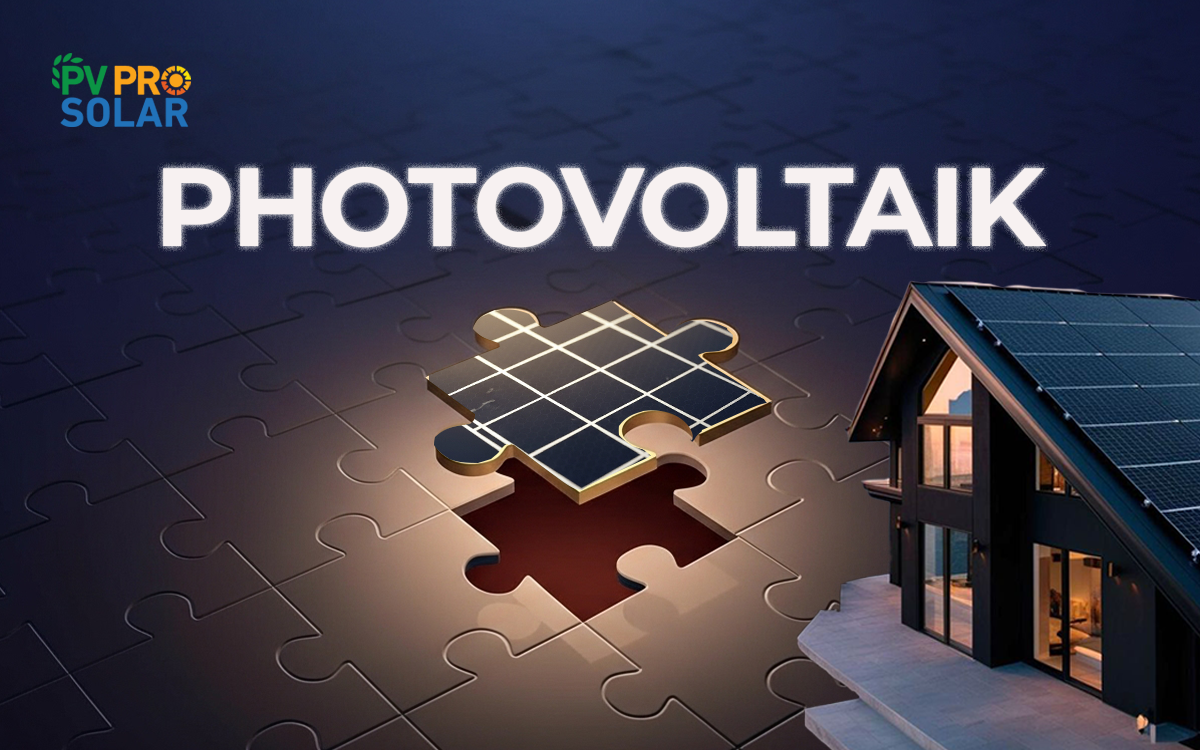
Photovoltaics: How Solar Energy Is Shaping Our Future
 Uncategorized
Reading Time: 5 minutes
Uncategorized
Reading Time: 5 minutes Photovoltaics is no longer a niche topic; it has become a cornerstone of modern energy supply. From private households and businesses to municipal utilities, the use of solar energy to generate electricity is growing rapidly. But how exactly does photovoltaics work? What technologies are involved, what are the advantages, and what should you know before investing in this technology?
In this article, we’ll explore the most important aspects of photovoltaics — from technical basics and economic benefits to current trends like storage systems and government incentives. You’ll gain practical insights, clear explanations, and valuable tips to help guide your decision-making.
PVPro Solar GmbH
In 3 Schritten zur PV-Anfrage
Bedarf klären · Daten senden · Angebot erhalten
Jetzt Anfrage sendenBedarf klären
Schritt 1
Daten senden
Schritt 2
Angebot erhalten
Schritt 3
What Is Photovoltaics and How Does It Work?
Photovoltaics refers to the direct conversion of sunlight into electrical energy. At its core lies the photoelectric effect: when light strikes certain semiconductor materials — typically silicon — electrons are released, generating an electric current.
Key Components of a Photovoltaic System
- Solar modules: These consist of many solar cells that capture sunlight and generate electricity.
- Inverter: Converts the generated direct current (DC) into usable alternating current (AC).
- Mounting systems: Structures used to secure the panels to roofs, facades, or ground installations.
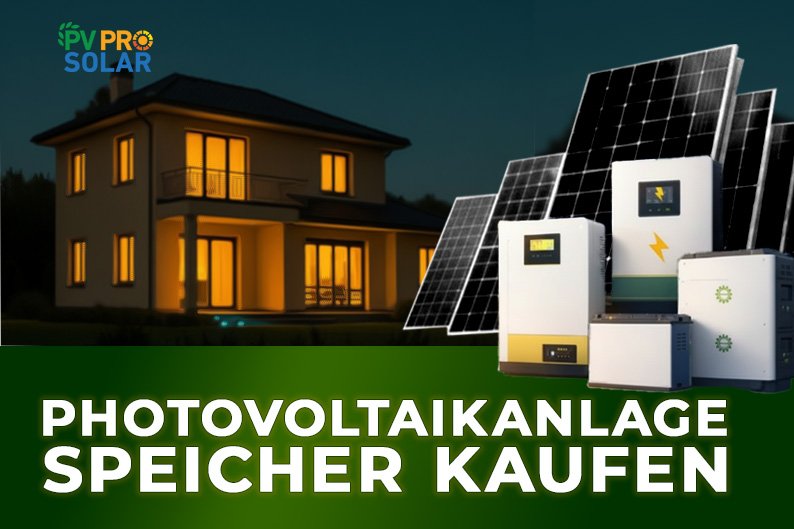
- Storage systems: Batteries that store excess electricity for later use.
- Monitoring systems: Tools to track energy production and efficiency in real time.
Together, these components transform a basic energy system into an intelligent photovoltaic solution that can efficiently meet your electricity needs.
Making the Right Decision: Self-Consumption, Grid Feed-In & Energy Independence
One of the biggest advantages of photovoltaics is the ability to optimize your own electricity consumption. Three key concepts play an important role:
1. Maximize Self-Consumption
The more of the self-generated electricity you use, the less you need to buy from the grid, which is especially valuable given rising electricity prices. Households with high energy demands — for instance, those using electric vehicles or heat pumps — can benefit significantly.
2. Feed Excess Power Into the Grid
If your system produces more power than you consume, you can feed the surplus into the public grid and receive compensation through a feed-in tariff. This creates an additional revenue stream, making solar energy even more appealing financially.
3. Achieve Greater Energy Independence
Combined with a storage system, photovoltaics can significantly reduce reliance on utility providers. This is especially advantageous in remote areas or as electricity prices continue to climb.
Solar Modules: Types, Performance & Choosing the Right One
Selecting the right solar panels is one of the most critical decisions for ensuring the efficiency of your photovoltaic system.
Should You Buy New or Retrofit?
Different types of modules are available:
- Monocrystalline modules: High efficiency and a sleek appearance with dark-colored cells. Ideal for limited roof space.
- Polycrystalline modules: More affordable and durable, but with slightly lower performance.
- Thin-film modules: Flexible and lightweight, though generally lower in efficiency.
The right choice depends on your available space, budget, and desired performance. A professional assessment can help you get the most out of your investment.
Storage Systems: Greater Control Over Your Energy
One major trend closely tied to photovoltaics is the rise of modern storage systems. These systems balance the gap between energy generation and consumption, making you less dependent on the power grid.
Advantages of Energy Storage:
- Load shifting: Use your self-generated electricity whenever you need it.
- Reduced grid reliance: Especially beneficial as electricity prices rise.
- Improved cost-efficiency: More self-use means greater savings on your electricity bill.
Depending on system size and battery type (e.g., lithium-ion), a range of setups is possible — from small home systems to large-scale energy storage for businesses. Modern smart home systems seamlessly integrate solar panels and storage units for optimized performance.
Photovoltaic Costs: What Should You Expect?
Cost is often a deciding factor when considering a photovoltaic system. The total investment usually includes several components:
- Module price: Based on power output and quality.
- Installation and mounting: Professional installation is essential for secure attachment and proper wiring.
- Inverter and accessories: High-quality components pay off in the long run.
- Planning and permits: Varies by location, with different regulations to consider.
Example: Financial Viability in Numbers
Most systems pay for themselves within 7–12 years, depending on your electricity usage, feed-in tariffs, and local conditions. After that, you benefit from nearly free electricity for years to come — a compelling argument for photovoltaics as a long-term investment.
Another plus: maintenance costs are relatively low, thanks to the durability and low-maintenance nature of solar panels.
Incentives and Tax Benefits
Many countries and regions offer attractive incentive programs for both photovoltaic and storage systems, including:
- Direct grants: Financial support toward installation.
- Tax deductions: Reductions on income or business taxes.
- Low-interest loans: Green financing with favorable terms.
- Feed-in tariffs: Long-term compensation for electricity fed into the grid.
These programs lower the barrier to entry and improve the profitability of your solar setup. It’s worth taking the time to research local and national funding options.
Installation & Mounting: What Really Matters
Your photovoltaic system is only as good as its installation. Key factors include:
Site Analysis
- Orientation & tilt: South-facing panels at the right angle yield the best results.
- Shading: Nearby trees, chimneys, or neighboring buildings can block sunlight.
- Roof type: Different setups are needed for flat roofs, sloped roofs, and facades.
Professional Installation
Only a certified installer can guarantee compliance with electrical safety standards, structural requirements, and building codes. They’ll also optimize your system for maximum performance.
Monitoring & Maintenance: Keeping Your System Running Smoothly
Although photovoltaic systems require minimal maintenance, regular monitoring is a smart move. Modern systems provide real-time data on energy production, consumption, and overall efficiency.
Key Aspects of Monitoring:
- Performance tracking: Identify drops in output immediately.
- Error diagnosis: Detect module or inverter issues early.
- Consumption analysis: Fine-tune your usage for maximum self-consumption.
Many providers offer apps or web platforms that let you monitor your system at any time.
Looking Ahead: Trends in Solar Energy
Photovoltaic technology continues to evolve at a rapid pace. Key trends include:
1. Bifacial Modules
These generate electricity from both sides by capturing reflected light, boosting overall efficiency.
2. Perovskite Cells
New materials like perovskite promise higher efficiency at lower production costs.
3. Integrated Solar Architecture
Solar elements are being built directly into building surfaces — such as facades or roof tiles.
4. Smart Grid Integration
Energy management systems link solar power with grids, EVs, and home appliances to maximize efficiency.
These innovations are making solar energy not only more efficient but also more economically attractive.
Photovoltaics: A Key to the Energy Future
Photovoltaics is more than just a technology — it’s a gateway to sustainable, economical, and independent energy solutions. With the right solar modules, smart storage systems, and targeted incentive programs, you can reduce your energy costs while actively contributing to the energy transition.
For expert planning, tailored solutions, and professional advice, visit PVPro Solar GmbH.
Harness the power of the sun — start your photovoltaic journey today!
How long does a photovoltaic system last?
Solar panels are highly durable. Most manufacturers offer a 25-year performance warranty, and many systems remain efficient well beyond that.
Do I need a permit?
It depends on local regulations. Some residential systems don’t require approval, while others may need to be reported or approved by authorities.
How much electricity can I generate?
That depends on the system’s size, orientation, and solar exposure. Modern systems often produce several thousand kilowatt-hours annually.
PVPro Solar GmbH
In 3 Schritten zur PV-Anfrage
Bedarf klären · Daten senden · Angebot erhalten
Jetzt Anfrage sendenBedarf klären
Schritt 1
Daten senden
Schritt 2
Angebot erhalten
Schritt 3