
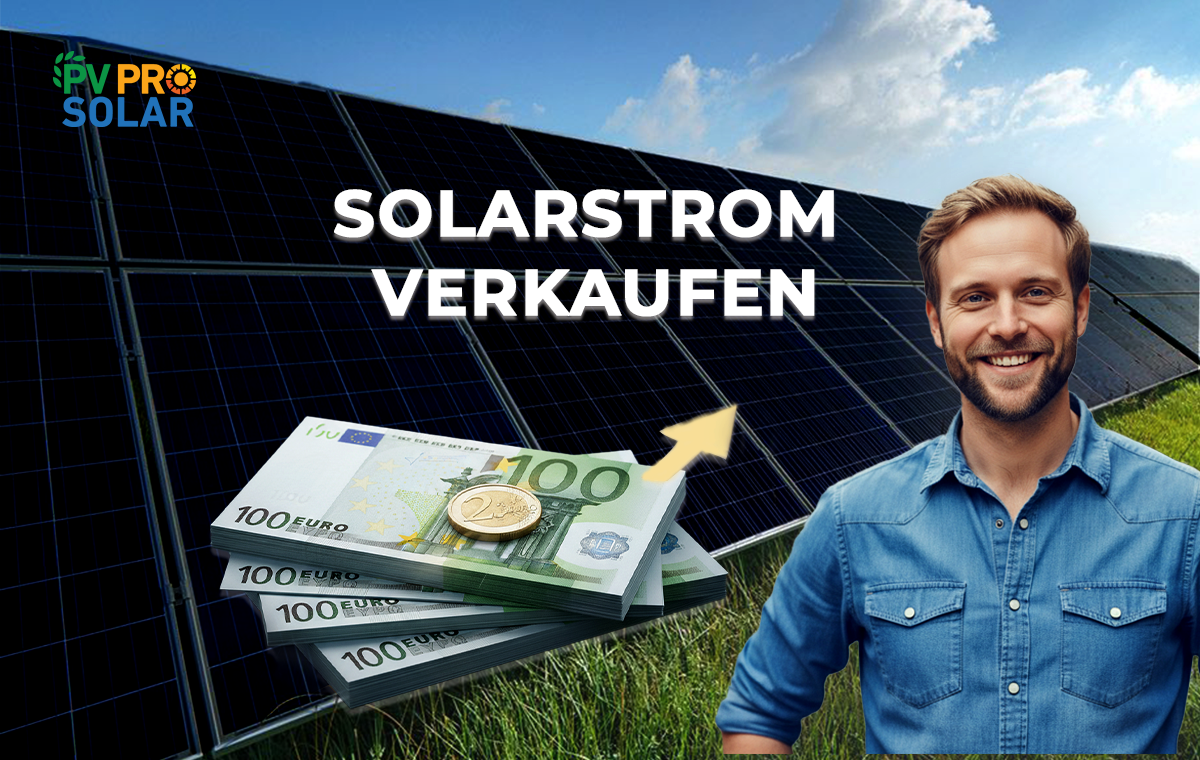
Selling Solar Power: How Private PV System Owners Can Boost Their Income with Surplus Solar Energy

If you own a PV (photovoltaic) system, you’re already generating your own electricity—and you can either use it smartly or profitably sell any excess. This is where the concept of selling solar power comes in: rather than simply feeding surplus electricity into the grid, there are now flexible and lucrative options for monetizing the solar energy you generate—whether to neighbors, tenants, or through professional business models.
Why Selling Solar Power Is Becoming Increasingly Important?
Private households typically consume only a portion of the solar power they produce, depending on lifestyle and energy habits. The rest—surplus electricity—flows into the public grid. However, this excess solar power is becoming increasingly valuable due to several factors:
- Rising electricity prices → Self-consumption and partial sale become more attractive
- Decentralized energy transition → Growing demand for local electricity
- Digitalization → Easier billing and management
With smart planning, system owners can shorten their payback period and achieve long-term, stable returns.
Solar Power Selling Price: What Determines Your Earnings?
There’s no fixed rate for selling solar power. Your revenue depends on several key factors:
- Current electricity market conditions (e.g. solar power selling current price)
- Level of feed-in tariff
- Sales model (direct or through intermediaries)
- Share of power consumed on-site
Those who sell solar power privately often earn more than under standard feed-in models—especially when selling directly to end users.
Overview of Sales Models – Advantages & Risks
1. Feed-in to the Grid
- Ideal for private PV systems
- Guaranteed base tariff
- Very low risk
- Minimal administrative effort
2. Selling to Tenants (Tenant Power)
- Suitable for multi-family properties
- Higher revenue through direct sales
- Increases property value and appeal
- Slightly higher administrative overhead
3. Direct Marketing
- Effective for larger systems (commercial/agricultural)
- Potential for high earnings
- Better integration into energy markets
- Exposure to price fluctuations
The more directly you sell your solar power, the greater your financial advantage.
Selling Solar Power Privately: Start Easily and Earn Twice
For households with rooftop systems, selling solar power is the ideal supplement to maximizing self-consumption. Every self-used kilowatt-hour saves money—and surplus electricity becomes an income source.
Options for private users:
- Automatic grid feed-in
- Tenant power models in multi-family buildings
- Local neighborhood sales
- Optional direct marketing for larger installations
Smart meters and digital tariffs make all these models more transparent and attractive.
Selling Solar Power to Tenants: The Perfect Fit for Landlords
Selling solar power to tenants means delivering electricity directly to the building—for example, to apartments, offices, or commercial units.
Benefits for landlords:
- Higher returns than standard feed-in tariffs
- Energy-efficient property = more appealing to tenants
- Greater energy independence within the building
Benefits for tenants:
- Lower electricity rates than from the grid
- Access to local, green energy
- No installation or maintenance efforts required
This transforms your private solar installation into a real revenue stream—especially in buildings with multiple units.
Selling Solar Power to Tenants: Keeping Energy Local
An emerging model: Selling solar power to tenants via digital energy communities. The homeowner supplies power to nearby households.
Why it’s gaining popularity:
- Strengthens local economies
- Shorter energy paths → lower losses
- Neighbors pay less than for grid electricity
- Operators earn more than with feed-in tariffs
Smart meter gateways enable automated billing. This is known as indirect solar marketing—with real, local value for the community.
Direct Marketing of Solar Power for Large-Scale Systems
From around 100 kWp, direct marketing is legally required. Here, solar power is sold directly on the energy exchange or to major consumers.
Best suited for:
- Agriculture
- Commercial enterprises
- Industrial facilities
- Solar parks
Opportunities:
- Very high revenue potential
- Optimal use of market value
Requirements:
- Advanced energy control systems
- Reliable energy market partners
- Ongoing system monitoring
For large installations, this is the most profitable sales method.
Which PV System Suits Which Sales Model?
- < 10 kWp → Single-family homes
- Focus: Self-consumption + partial feed-in
- Private solar power sales possible
- 10–30 kWp → Multi-family homes & small businesses
- Ideal for tenant power & neighborhood models
- > 100 kWp → Commercial & agricultural use
- Mandatory direct marketing
- Highest earning potential
The larger the project, the more professional the sales strategy needs to be.
Sell Directly or Indirectly?
There are two main approaches to solar power sales:
Direct Sales
- Immediate use
- Sales to tenants or neighbors
- Highest profit margins
Indirect Sales
- Storage + later use
- Protection against rising energy costs
The ideal approach: Combine high self-consumption with targeted sales to optimize every PV system.
How to Get Started: Practical Steps for PV System Owners
- Register your PV system (Market Master Data Register)
- Install a smart meter for tracking and billing
- Choose your sales model (tenants, neighbors, grid)
- Set up contracts & documentation
- Clarify tax implications (income is usually considered taxable)
An experienced service provider can help align both the technical and financial aspects for optimal results.
The Future: Solar Power Sharing & Energy Communities
More and more communities are adopting smart energy flows:
- Virtual power storage
- Dynamic tariffs with hourly billing
- Peer-to-peer trading
- Neighborhood energy models
Energy supply is becoming more local, more digital, and more direct—creating greater benefits for solar system owners.
Whether you’re selling to tenants, neighbors, or engaging in direct marketing, monetizing surplus solar energy increases the profitability of any PV system while boosting energy independence. Even small systems can turn rooftops into long-term sources of both climate protection and revenue.
Get Expert Advice and Maximize Your Solar Earnings
Want to find out which sales model is best for your home or project? Visit: PVPro Solar GmbH
Get personalized advice and learn how to secure a steady income from your roof!
Yes. Private PV system owners can feed surplus energy into the grid or sell directly to tenants or neighbors. The more direct the sale, the higher the potential income.
Revenue depends on the sales model. Feed-in tariffs are fixed, but the current price for solar power in direct marketing or tenant models can be significantly higher.
Yes. Selling to tenants usually yields better returns than feeding into the grid and also enhances the property's value. Can I sell surplus solar power if I own a private PV system?
How is the solar power sales price determined?
Is it worth selling solar power to tenants?