
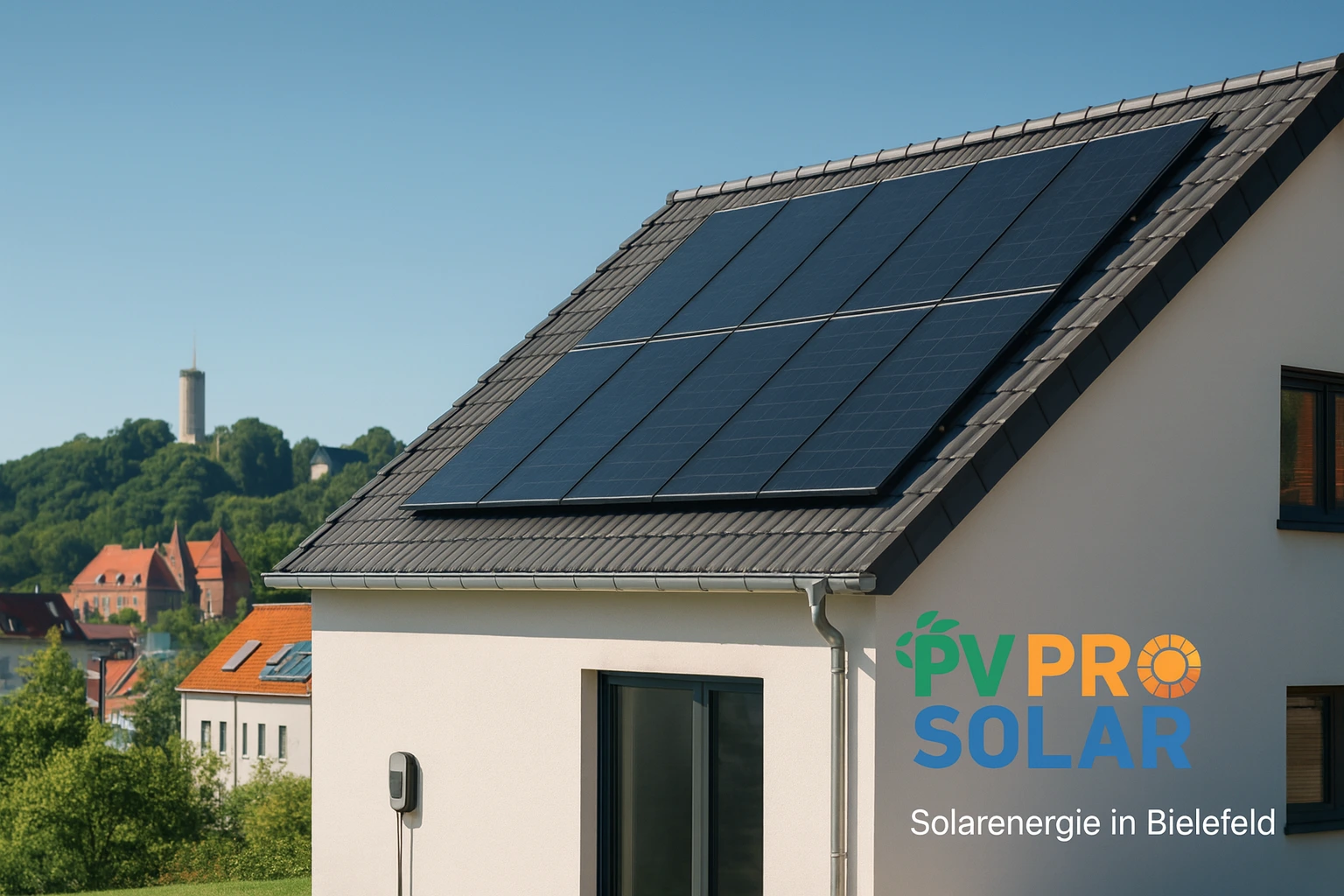
choose the right solar energy system

PVPro Solar GmbH
Bedarf klären · Daten senden · Angebot erhalten
Jetzt Anfrage sendenBedarf klären
Schritt 1
Daten senden
Schritt 2
Angebot erhalten
Schritt 3
How to Choose the Right Solar Energy System for Your Home
Choosing the right solar energy system for your home is an important investment. A well-designed photovoltaic system can reduce your electricity costs, increase your energy independence and lower your household’s carbon footprint.
However, the best solar system is not simply the largest or most expensive option. It should be designed around your electricity consumption, roof conditions, future energy requirements, available budget and personal goals.
This step-by-step guide explains how to choose the right solar energy system, compare the available technologies and select a reliable solar installation company.
1. Assess Your Current and Future Energy Needs
Review Your Electricity Consumption
Start by reviewing your electricity bills from the previous 12 months. Identify your total annual electricity consumption in kilowatt-hours (kWh), as well as your average monthly usage.
You should also consider when you use the most electricity. Households with high daytime consumption can often use more solar power directly, while households with high evening consumption may benefit from a battery storage system.
Consider Future Electricity Requirements
Your future energy consumption may be higher than your current usage. Take planned changes into account, including:
- An electric vehicle or home charging station
- A heat pump
- Air-conditioning systems
- Additional household appliances
- A home extension or renovation
- A growing family
Planning for future consumption can help prevent your solar energy system from becoming undersized after only a few years.
2. Evaluate Your Property’s Solar Potential
Check the Available Roof Space
The size, orientation and pitch of your roof influence how much solar electricity your system can generate. South-facing roofs generally provide high annual yields in the Northern Hemisphere, but east-west systems can also perform very well by producing electricity more evenly throughout the day.
A professional assessment should also consider:
- Roof orientation and angle
- Available installation area
- Roof condition and structural capacity
- Chimneys, dormers and roof windows
- Shading from trees or neighbouring buildings
- Local weather and solar irradiation
Arrange a Professional Solar Site Assessment
A qualified solar installer can inspect your property, measure the available roof area and create a solar yield calculation. Professional planning may also include a shading analysis and a digital module layout.
This assessment provides a more reliable estimate of the recommended system size, expected annual electricity production and potential savings.
3. Choose the Right Type of Solar Energy System
Grid-Connected Solar Systems
A grid-connected solar system is connected to the public electricity network. Your household uses the solar electricity generated on-site, while surplus electricity can be exported to the grid.
When the solar panels are not producing enough electricity, the remaining energy is automatically drawn from the public grid.
Off-Grid Solar Systems
An off-grid solar system operates independently of the public electricity network. These systems usually require a larger battery, careful energy management and, in some cases, an additional backup generator.
Off-grid systems are mainly suitable for remote properties where a grid connection is unavailable or too expensive.
Hybrid Solar Systems
A hybrid solar system combines a grid-connected photovoltaic system with battery storage. Surplus solar electricity can be stored and used later in the evening, at night or during periods of low solar production.
Some hybrid systems also offer backup or emergency power. However, backup functionality must be included in the system design and is not automatically available with every battery or hybrid inverter.
4. Select High-Quality Solar Components
Solar Panels
Solar panels convert sunlight into electricity. When comparing photovoltaic modules, consider more than the rated power alone.
Important factors include:
- Module efficiency
- Product and performance warranties
- Temperature behaviour
- Resistance to weather and mechanical loads
- Annual degradation
- Manufacturer reputation
- Module design and appearance
Monocrystalline solar panels are widely used for residential installations because they offer high efficiency and require relatively little roof space.
Solar Inverters
The inverter converts the direct current produced by the solar panels into alternating current that can be used by your household appliances.
Common inverter solutions include:
- String inverters
- Hybrid inverters
- Microinverters
- Power optimizers combined with a central inverter
The right inverter depends on the system capacity, roof layout, number of roof orientations, shading conditions, battery requirements and desired backup functionality.
Solar Mounting Systems
The mounting system securely attaches the solar panels to the building or ground. It must be suitable for the roof covering, roof structure, expected wind loads and snow loads.
Common installation types include:
- Pitched-roof mounting systems
- Flat-roof mounting systems
- Standing-seam and trapezoidal metal roof systems
- Ground-mounted solar systems
- Solar carports and façades
A professionally designed mounting structure protects both the photovoltaic system and the roof over the long term.
5. Decide Whether You Need Solar Battery Storage
Benefits of a Home Battery
A solar battery stores surplus electricity that would otherwise be exported to the grid. The stored energy can then be used when the photovoltaic system is producing little or no electricity.
A battery storage system may help you:
- Increase your solar self-consumption
- Reduce electricity purchases from the grid
- Use solar electricity in the evening and at night
- Improve energy independence
- Use dynamic or time-of-use electricity tariffs more effectively
- Maintain selected electrical loads during a power outage, where backup power is included
Choose the Correct Battery Capacity
The battery should be matched to your electricity consumption and the expected surplus production of the solar system. An oversized battery may remain partially unused, while an undersized battery may not store enough energy to cover your evening consumption.
A professional calculation should consider your load profile, photovoltaic capacity, desired level of energy independence and planned additions such as an electric vehicle or heat pump.
6. Compare Solar Battery Technologies
When selecting a battery storage system, compare the following specifications:
- Usable storage capacity
- Battery chemistry
- Charging and discharging power
- Round-trip efficiency
- Depth of discharge
- Expected cycle life
- Safety features
- Product warranty
- Expandable storage capacity
- Compatibility with the inverter
Lithium iron phosphate batteries, also known as LFP batteries, are commonly used in modern residential solar systems because of their high safety, long service life and good cycle stability.
Check System Compatibility
Not every solar battery is compatible with every inverter. Before purchasing a system, confirm that the solar panels, inverter, battery, energy meter, backup equipment and energy management software are designed to work together.
A coordinated system can improve reliability, monitoring quality and overall system efficiency.
7. Compare Solar Installation Companies
Request Detailed Solar Quotations
Request quotations from several solar providers. The cheapest offer is not always the best option, especially when important installation work, electrical upgrades or registration services are excluded.
A professional solar quotation should clearly state:
- The total photovoltaic capacity in kilowatt-peak
- The number and type of solar panels
- The inverter model and output
- The usable battery capacity
- The mounting system
- The expected annual electricity production
- The estimated self-consumption rate
- Installation and commissioning services
- Grid registration and documentation
- Equipment and workmanship warranties
- Optional electrical upgrades
- The total system price
Check the Installer’s Qualifications
Choose an experienced solar company with qualified installation personnel and reliable customer support. Check customer reviews, completed projects and the provider’s experience with systems similar to yours.
The installer should also understand the technical standards, grid connection requirements, electrical regulations and registration procedures that apply in your region.
8. Understand Solar Costs and Financing Options
Cash Purchase
Purchasing the solar energy system outright usually offers the highest long-term savings because there are no loan interest charges or leasing fees. However, it also requires a larger initial investment.
Solar Financing
A solar loan or instalment plan allows you to spread the investment over a defined period. Before signing a financing agreement, compare the interest rate, monthly payment, total repayment amount and any additional fees.
Leasing and Power Purchase Agreements
With a solar lease, the equipment is usually owned by another company and installed on your property for a monthly fee. Under a power purchase agreement, you typically pay for the solar electricity generated by the system.
These options can reduce the initial cost, but the total long-term expense, ownership conditions, maintenance responsibilities and contract duration should be reviewed carefully.
Check Available Solar Incentives
Depending on your location, financial support may be available through national, regional or municipal programmes. Possible incentives include grants, low-interest loans, tax benefits, rebates or support for battery storage and electric vehicle charging equipment.
Always check the current eligibility requirements before ordering or installing the system, as some programmes require an application before work begins.
9. Plan the Solar Installation
Confirm the Installation Schedule
Coordinate the installation date with your solar provider and ask how long the work is expected to take. The schedule may include scaffolding, roof installation, electrical work, system commissioning and grid connection procedures.
Check Permits and Grid Approvals
Make sure all required permits, grid connection applications, registrations and technical approvals are handled correctly. The exact process depends on the property, system size and local regulations.
Prepare the Roof and Installation Area
Any necessary roof repairs should be completed before the photovoltaic system is installed. Installing solar panels on an ageing or damaged roof can result in additional costs if the system must later be removed for roof maintenance.
The installation team should also have safe access to the roof, electrical distribution board, inverter location, battery location and cable routes.
10. Monitor and Maintain Your Solar System
Use Solar Monitoring Tools
Most modern solar energy systems include an online monitoring portal or mobile app. These tools allow you to monitor:
- Current solar electricity production
- Daily, monthly and annual energy yield
- Household electricity consumption
- Grid import and export
- Battery charging and discharging
- System faults and warning messages
Regular monitoring makes it easier to identify unusual performance changes at an early stage.
Arrange Regular Inspections
Photovoltaic systems generally require little maintenance, but periodic inspections can help ensure safe and efficient operation. The roof mounting, electrical connections, inverter, battery and monitoring system should be checked when required.
11. Review Warranties and After-Sales Support
Before signing a solar installation contract, review the warranty conditions carefully. Solar systems often include separate warranties for:
- Solar panel product quality
- Solar panel performance
- Inverters
- Battery storage systems
- Mounting components
- Installation workmanship
You should also confirm who will provide support if the system develops a fault. Reliable after-sales service, remote monitoring and clear warranty procedures are important for the long-term performance of your investment.
Frequently Asked Questions About Choosing a Solar System
How Large Should My Home Solar System Be?
The ideal size depends on your annual electricity consumption, available roof space, roof orientation, local solar irradiation and future energy requirements. A professional solar calculation should be completed before selecting the final system capacity.
Is a South-Facing Roof Necessary for Solar Panels?
No. South-facing roofs can provide high annual yields, but east-west roofs are also suitable for photovoltaic systems. East-west installations can produce electricity over a longer part of the day and may match household consumption particularly well.
Do I Need a Battery for My Solar Energy System?
A battery is not essential for every photovoltaic system. It can be beneficial if you want to increase self-consumption, reduce evening grid purchases or use backup power. The financial benefits depend on your consumption profile, electricity prices and battery costs.
How Long Does a Solar Energy System Last?
High-quality solar panels are designed for long-term operation and commonly include performance warranties extending over several decades. Inverters and batteries may need to be replaced earlier, depending on their operating conditions, product quality and usage.
What Should Be Included in a Solar Installation Quote?
A complete quotation should include the system design, solar panels, inverter, battery if required, mounting structure, installation work, electrical components, commissioning, monitoring setup, registrations, warranties and any additional electrical work.
Conclusion: Choosing the Best Solar Energy System for Your Home
Choosing the right solar energy system requires careful planning. Your decision should be based on your current and future electricity requirements, the solar potential of your property, the quality and compatibility of the system components and the reliability of the installation company.
A professionally planned photovoltaic system can help lower your energy costs, increase your independence from rising electricity prices and support a more sustainable energy supply.
Before making your final decision, compare several detailed proposals and make sure the selected system is designed specifically for your home rather than based on a standard package.