
Is Solar Power in Hannover Really Worth It? Costs, Benefits & Tips

Solar power has long evolved from an alternative energy solution to a central pillar of Germany’s energy mix. More and more households and businesses are turning to self-generated electricity to cut costs, increase independence, and actively contribute to climate protection. Especially in times of rising electricity prices, solar energy is gaining new economic relevance that goes far beyond its ecological benefits.
PVPro Solar GmbH
In 3 Schritten zur PV-Anfrage
Bedarf klären · Daten senden · Angebot erhalten
Jetzt Anfrage sendenBedarf klären
Schritt 1
Daten senden
Schritt 2
Angebot erhalten
Schritt 3
Why is solar power more economically attractive than ever?
The calculation is straightforward: generating your own solar power leads to long-term reductions in electricity costs. The technology is mature, modern systems have long lifespans, and maintenance is minimal. Solar power from your own rooftop allows you to cover a significant portion of your daily electricity needs, without relying on the public power grid.
Another key advantage is predictability. While electricity prices fluctuate, the cost of self-generated solar power remains stable and calculable. This is a financial lever that many homeowners tend to underestimate.
Solar Power in Hannover: Making the Most of Regional Advantages
Many people wonder whether solar power is even worthwhile in northern Germany. The answer is a clear yes: solar power in Hannover benefits from stable yields throughout the year. Today’s photovoltaic systems are highly efficient—even in overcast or diffuse lighting conditions—so sunlight is no longer the only success factor.
Hannover also offers excellent regional conditions, including:
- Large roof surface availability
- Rising electricity prices in urban areas
- Regional subsidy programs
- Strong grid connectivity for energy feed-in
It’s no surprise that photovoltaics in Hannover have seen a surge in demand in recent years.
Solar Power from Your Own Roof: More Control, Less Dependency
The greatest advantage of solar power is local usage. Solar electricity generated on your own roof is consumed right where it’s produced. This minimizes transmission losses and increases independence from traditional energy providers.
This approach is especially effective when energy consumption occurs during daylight hours, for example:
- Working from home
- Running heat pumps
- Operating small businesses
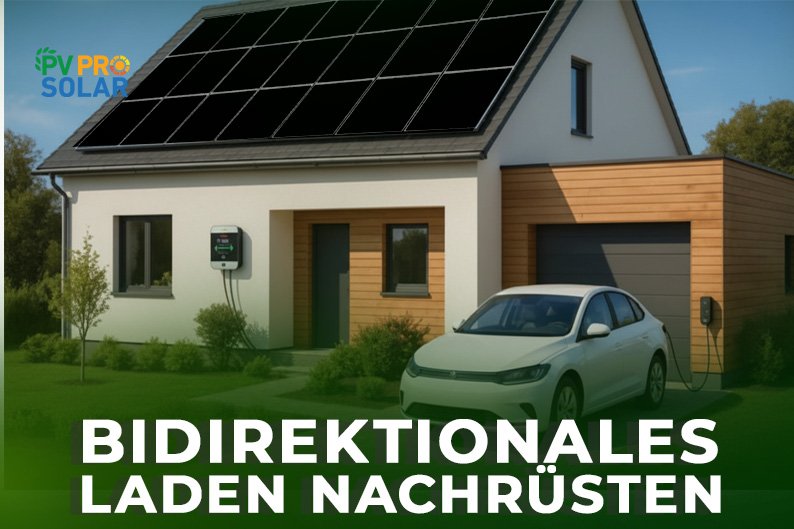
- Charging electric vehicles
The higher your self-consumption rate, the faster your system pays for itself.
How to Boost Your Solar Power Self-Consumption?
The key to solar energy’s economic efficiency lies in maximizing self-consumption. Instead of feeding all generated power into the grid, more of it is used directly within the household. This not only reduces electricity bills but also protects against future price hikes.
Practical ways to increase self-consumption include:
- Using energy-intensive appliances during the day
- Programming household appliances with timers
- Combining solar power with a heat pump
- Integrating EV charging stations
When paired with smart home energy management, solar power reaches its full potential.
Solar Power with Battery Storage: Use Energy After Sunset
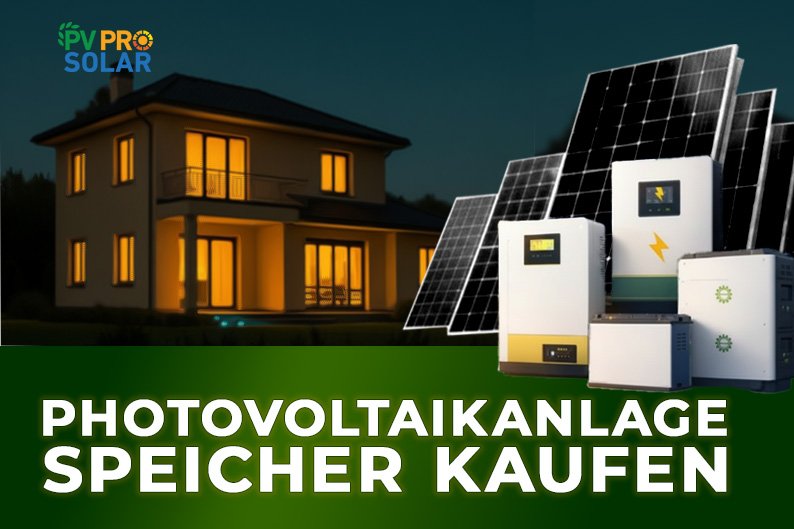
One of the most important advancements in recent years is solar power with battery storage. Batteries allow surplus solar energy to be stored and used later, such as in the evening or at night.
Benefits of battery storage systems:
- Higher self-consumption share
- Greater independence from the grid
- Protection against electricity price increases
- More efficient use of the entire solar installation
Battery storage is particularly useful for households with low daytime consumption but high usage in the evenings.
Realistic Assessment of Solar Power Costs
When planning a solar system, one of the first questions is always about costs. It’s important to look beyond the initial investment and focus on long-term economic value.
Typical cost components include:
- Photovoltaic modules
- Inverter
- Mounting systems
- Installation services
- Optional battery storage
Over a lifespan of 20 to 30 years, solar power is often cheaper than grid electricity. Add to that government incentives and tax benefits, and the investment becomes even more appealing.
Feed-in Tariff: A Smart Addition to Self-Consumption
Although the emphasis is increasingly on self-consumption, the solar feed-in tariff remains an important part of the economic equation. Surplus electricity is fed into the public grid and compensated at rates defined by law—offering long-term planning security.
The feed-in tariff:
- Generates additional income
- Improves overall system profitability
- Offers stability for financial planning
It remains especially relevant for larger systems or homes with low self-consumption rates.
Planning a Solar System in Hannover: Key to Success
A well-designed solar installation in Hannover involves more than just assessing the roof area. Factors like orientation, tilt angle, shading, and household consumption patterns all need to be considered for optimal performance.
Professional planning includes:
- Yield forecasts
- Economic viability assessments
- Battery storage sizing
- Grid connection planning
Only with a holistic approach can solar power deliver its full technical and financial potential.
Comparing Photovoltaics in Hannover to Other Regions
Compared to other regions in Germany, Hannover stands strong. While there are areas with more sunshine, modern PV modules compensate for these differences with higher efficiency. What truly matters is not maximum sunlight but how effectively the local conditions are utilized.
In addition, Hannover offers:
- A stable and reliable energy grid
- High demand for self-generated power
- Continuously rising electricity prices
All of which makes a compelling case for solar power in the region.
Battery Storage: A Strategic Energy Decision
Battery storage systems are more than just a technical add-on; they’re a strategic choice for long-term energy autonomy. Storage systems not only increase self-consumption but also protect against future regulatory changes and sudden electricity price spikes.
For many homeowners, the rule of thumb is:
- Without storage: faster return on investment
- With storage: maximum energy independence
Which solution is best depends on your personal consumption profile.
Is Solar Power Really Worth It in Hannover?
The question “Is solar power worth it in Hannover?” can now be clearly answered: Yes—provided the right conditions are met. Those who think long-term, account for rising electricity prices, and invest in quality components will benefit both financially and energetically.
Solar energy is particularly worthwhile for:
- Single-family homes
- Multi-family dwellings
- Commercial properties
- New constructions and renovations
What matters most is an individualized assessment, not a one-size-fits-all recommendation.
Solar Power as Part of a Holistic Energy System
Solar energy works best when integrated into a broader energy system. When combined with heat pumps, battery storage, and e-mobility, it forms the foundation of an almost energy-independent lifestyle. In this context, solar power becomes more than just a source of electricity; it becomes the backbone of modern energy supply.
Solar energy today is about more than just savings—it’s about control, stability, and future-proofing. With professional guidance and well-thought-out implementation, you can unlock the full potential of solar power.
Learn more at PVPro Solar GmbH and get personalized advice.
Start your own solar journey today and take the next step toward energy independence.
How much solar power can I realistically use myself in Hannover?
With a well-planned system, self-consumption rates in Hannover typically range from 30% to 40%. With a battery, this can increase to 60% or more, depending on household consumption and usage habits.
Is solar power with battery storage truly worthwhile, or just a nice-to-have?
Battery storage is particularly worthwhile if your electricity usage peaks in the evening or at night. A storage system increases independence from the grid and provides long-term protection against rising electricity prices.
PVPro Solar GmbH
In 3 Schritten zur PV-Anfrage
Bedarf klären · Daten senden · Angebot erhalten
Jetzt Anfrage sendenBedarf klären
Schritt 1
Daten senden
Schritt 2
Angebot erhalten
Schritt 3