Buying Photovoltaic System: The Comprehensive Guide for a Successful Investment
The decision to buy a photovoltaic system is now one of the most important steps for anyone who wants to reduce energy costs in the long term while also contributing to environmental protection. In times of rising electricity prices and increasing environmental awareness, solar energy is becoming an increasingly attractive alternative. A photovoltaic system allows you to generate your own electricity, become more independent from the energy market, and increase the value of your property.
However, before buying a photovoltaic system, many aspects should be considered – from planning and technology to financing and usage. This comprehensive guide helps you make the right decisions and optimize your investment.
PVPro Solar GmbH
In 3 Schritten zur PV-Anfrage
Bedarf klären · Daten senden · Angebot erhalten
Jetzt Anfrage sendenBedarf klären
Schritt 1
Daten senden
Schritt 2
Angebot erhalten
Schritt 3
Why should you buy a photovoltaic system?
Buying a photovoltaic system offers numerous advantages, both economic and ecological. One of the biggest benefits is the ability to reduce electricity costs in the long term and protect yourself from future price increases. At the same time, using solar energy improves the energy efficiency of a building and increases its market value.
In addition, having your own solar system contributes significantly to climate protection by using renewable energy and reducing CO₂ emissions. This combination of financial benefits and sustainability makes purchasing a photovoltaic system especially attractive.
What does it mean to buy a photovoltaic system?
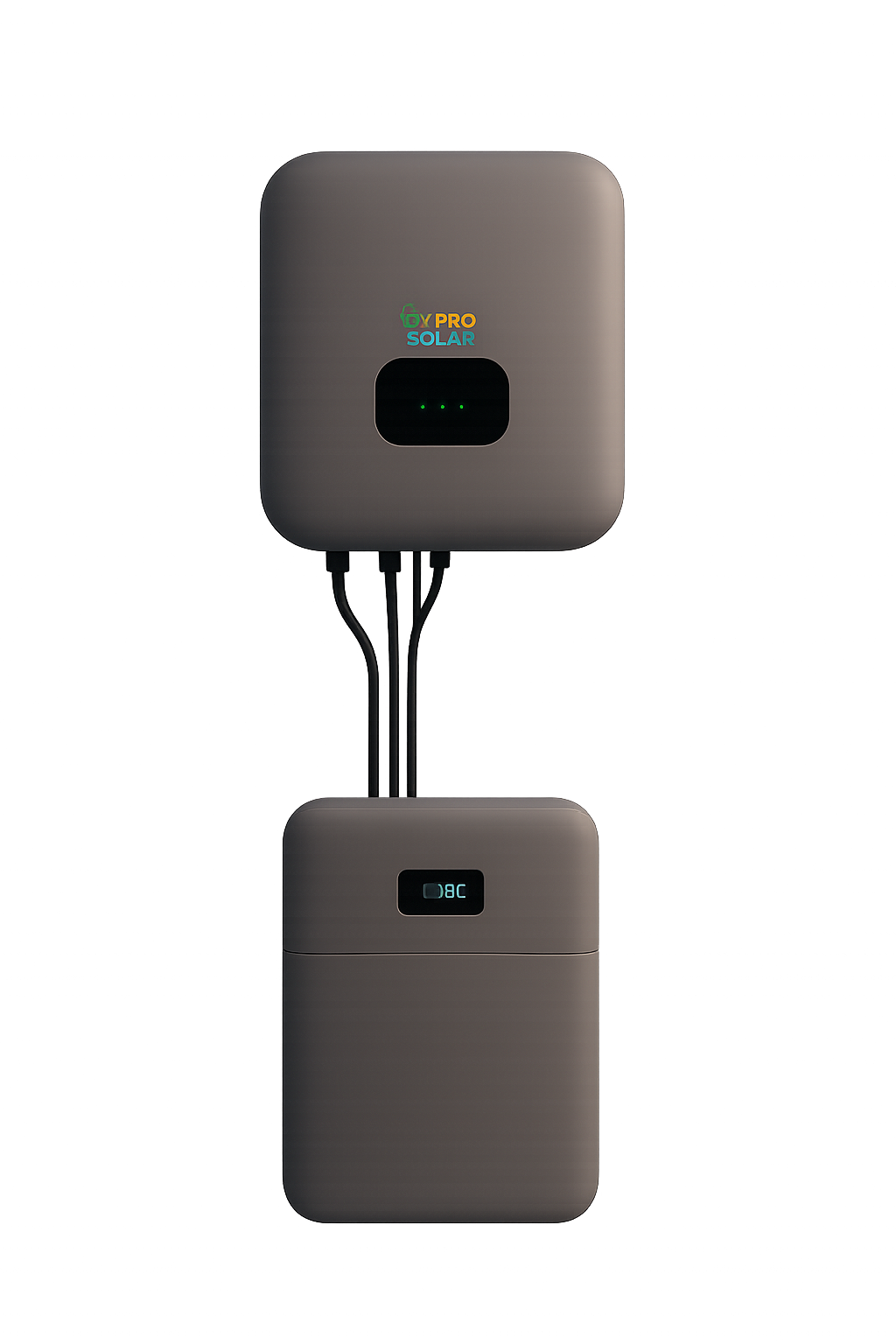
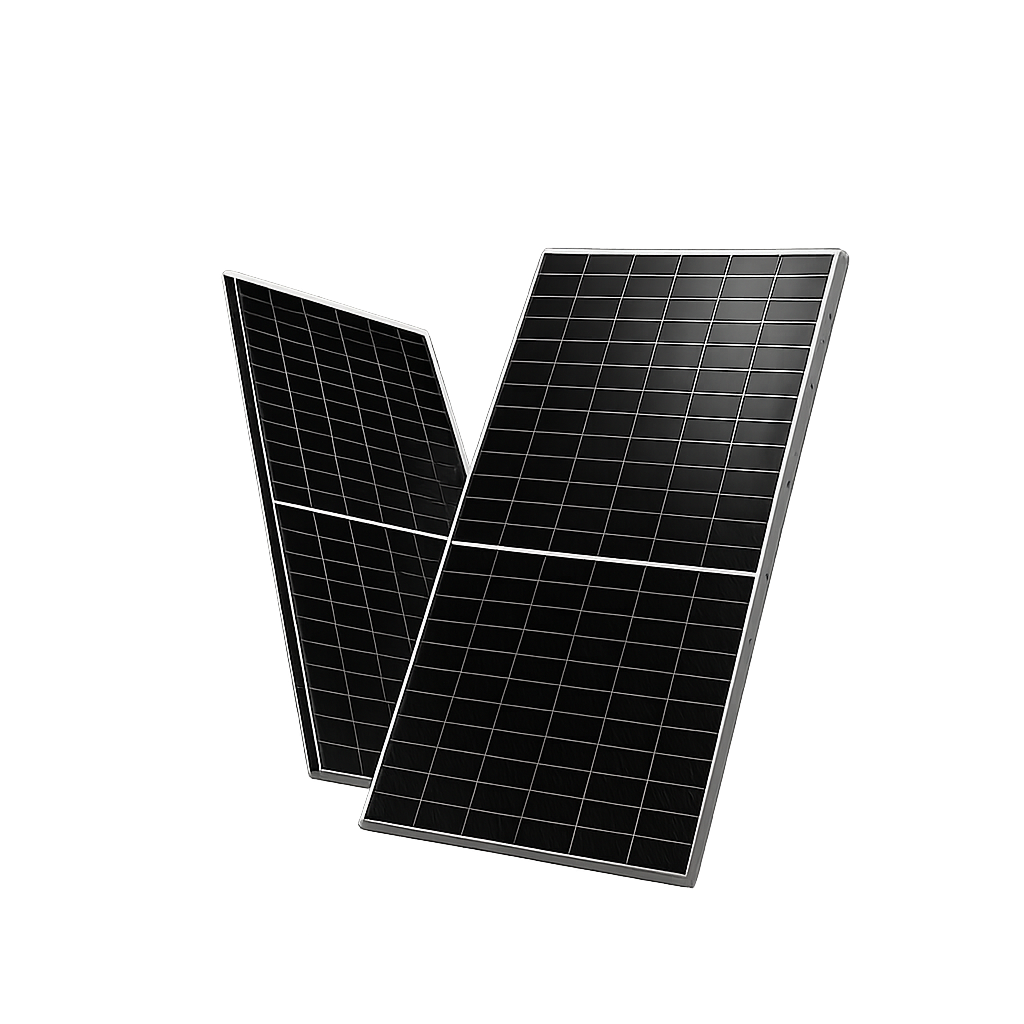
Buying a photovoltaic system means acquiring a system that converts sunlight into electrical energy. This system consists of several components such as solar panels, inverters, and mounting structures. The goal is to generate electricity as efficiently as possible and either use it yourself or feed it into the grid.
By purchasing, the owner gains full control over the system and benefits long-term from the generated energy output. This clearly distinguishes it from rental or leasing models.
What advantages does buying offer compared to renting?
Purchasing a photovoltaic system provides more long-term financial benefits compared to rental models. While renting involves ongoing costs, owning the system means it fully belongs to you. This allows you to directly benefit from all generated income and savings.
Additionally, buying offers more flexibility in usage and system customization. Owners can expand or optimize their systems without contractual limitations.
What components are included in a photovoltaic system?
A photovoltaic system consists of several key components that work together to generate electricity. These include solar panels that capture sunlight and inverters that convert the generated direct current into usable alternating current.
Mounting systems, wiring, and optional energy storage solutions also play an important role. Each component affects the overall efficiency and performance of the system.
How does a photovoltaic system work in everyday life?
In daily operation, the photovoltaic system converts sunlight into electrical energy that can be used directly in the household. Excess electricity can be stored or fed into the public grid.
The system operates largely automatically and requires minimal maintenance. Modern systems also allow digital performance monitoring.
What requirements must a building meet?
For a photovoltaic system purchase to be worthwhile, certain conditions must be met. These include a suitable roof area, sufficient sunlight exposure, and a stable roof structure.
The orientation and tilt of the roof also play a significant role in system efficiency. Careful evaluation of these factors is essential for success.
What role does roof orientation play?
Roof orientation has a major impact on energy production. South-facing roofs are considered the most efficient because they receive the most sunlight.
However, east- and west-facing roofs can also be economically viable, especially when optimizing self-consumption.
How important is roof tilt for energy yield?
Roof tilt determines how much sunlight reaches the panels. An optimal tilt ensures maximum energy output throughout the year.
Roofs that are too flat or too steep can reduce performance, but this can often be improved with technical adjustments.
What types of photovoltaic systems are available?
There are different types of photovoltaic systems depending on their application. These include rooftop systems, in-roof systems, and ground-mounted systems.
Each type has its own advantages and is suitable for different requirements and building types.
What are the differences between rooftop and in-roof systems?
Rooftop systems are installed on existing roofs, while in-roof systems are integrated directly into the roof structure.
While rooftop systems are easier to install, in-roof systems often offer aesthetic advantages and better architectural integration.
What role does an energy storage system play?
An energy storage system allows excess energy to be stored and used later. This increases self-consumption and reduces dependence on the power grid.
This is particularly beneficial for households with high energy demand or variable consumption patterns.
How do you properly plan the purchase of a photovoltaic system?
Careful planning is essential for project success. This includes analyzing energy demand and selecting suitable components.
Future developments, such as increasing electricity consumption, should also be considered to ensure optimal system sizing.
What mistakes should be avoided when purchasing?
Common mistakes include insufficient planning or choosing unsuitable components. Ignoring location factors can also reduce efficiency.
Thorough preparation helps avoid these issues and protects your investment.
How does self-consumption affect profitability?
Higher self-consumption increases system profitability, as less electricity needs to be purchased from the grid.
The more self-generated electricity you use, the faster your investment pays off.
What funding options are available when purchasing?
Various funding opportunities are available when buying a photovoltaic system, helping to ease the financial burden.
These incentives reduce initial costs and improve overall profitability.
How does funding impact the investment?
Funding shortens the payback period and increases system returns.
It makes purchasing accessible and especially attractive for many households and businesses.
How long does it take for a photovoltaic system to pay for itself?
The payback period depends on factors such as system size and self-consumption.
In many cases, the investment pays off within a few years, after which it generates profit.
How sustainable is a photovoltaic system?
Photovoltaic systems significantly reduce CO₂ emissions and promote renewable energy use.
They are a key component of sustainable energy supply and contribute to long-term environmental protection.
What maintenance does a photovoltaic system require?
Photovoltaic systems are relatively low-maintenance but require regular inspections to maintain efficiency.
This includes cleaning and checking technical components.
How can potential issues be detected early?
Modern systems offer monitoring features that help detect performance drops early.
This allows problems to be resolved quickly and minimizes energy losses.
How is the photovoltaic market evolving?
The photovoltaic market is continuously growing and driven by technological innovation.
This leads to more efficient systems and improved usage possibilities.
Is buying a photovoltaic system worthwhile in the long term?
In the long term, purchasing a photovoltaic system offers significant financial and environmental benefits.
It is a future-proof investment that pays off over many years.
Costs depend on various factors such as system size and selected components. Individual planning is therefore essential.
Yes, especially with high self-consumption, the investment can pay off significantly over time.
The lifespan is usually several decades, with performance gradually decreasing over time.
In many cases, no special permit is required, but local regulations should always be checked.
Yes, many systems can be flexibly expanded if energy demand increases. What does it cost to buy a photovoltaic system?
Is buying a photovoltaic system really worth it?
How long does a photovoltaic system last?
Do you need a permit for installation?
Can the system be expanded later?
PVPro Solar GmbH
In 3 Schritten zur PV-Anfrage
Bedarf klären · Daten senden · Angebot erhalten
Jetzt Anfrage sendenBedarf klären
Schritt 1
Daten senden
Schritt 2
Angebot erhalten
Schritt 3