
What Are Renewable Energies?

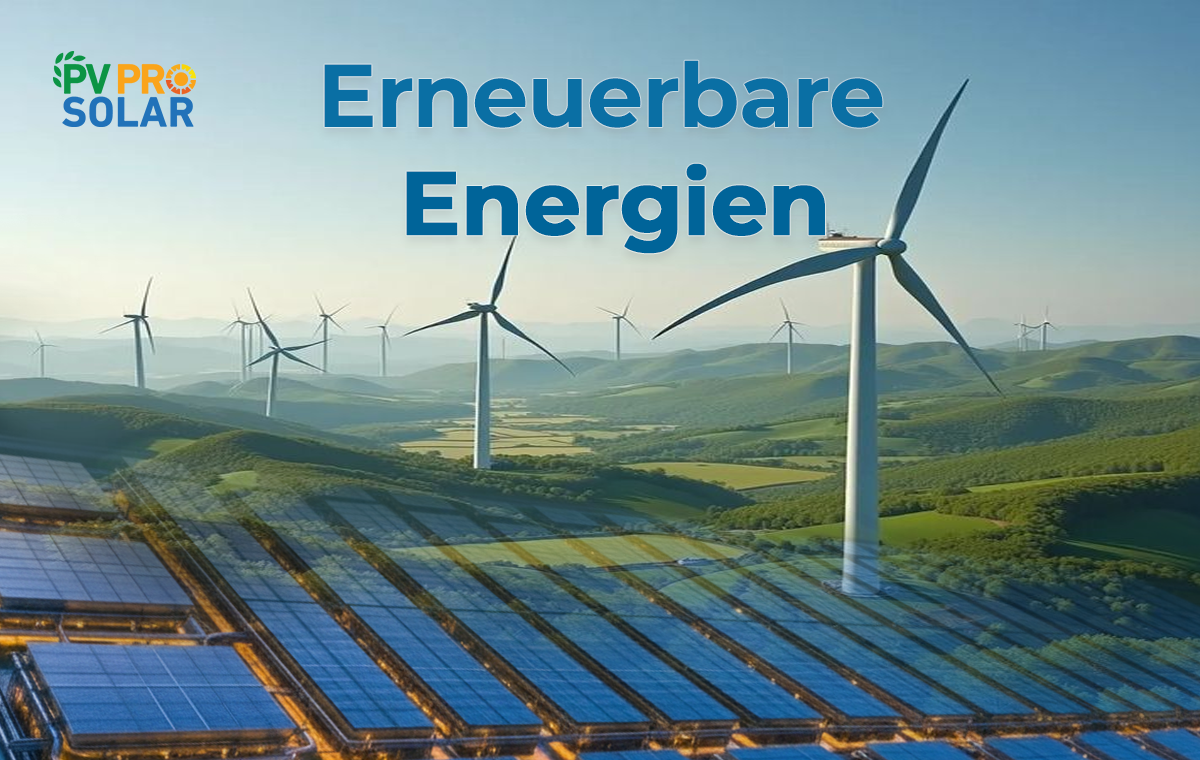
The term “renewable energy” refers to energy sources that naturally regenerate or are virtually inexhaustible — unlike fossil fuels. These regenerative sources include sunlight, wind, biomass, geothermal energy, hydropower, and increasingly, innovative technologies such as advanced geothermal systems and next-generation wind power. Terms like “green energy” or “alternative energy” are often used synonymously to emphasize their sustainability and environmental friendliness. In this way, renewable energy sources are clearly distinct from finite resources.
It’s not just about climate protection – it’s also about long-term energy security. Electricity from renewables can reduce dependence on global commodity markets.
The Key Types of Renewable Energy
Here’s an overview of the main types of renewable energy and their individual strengths:
Solar Energy / Photovoltaics & Solar Thermal
One of the most well-known forms of sustainable energy. Sunlight is converted directly into electricity (photovoltaics) or used to generate heat (solar thermal). Particularly effective in regions with high solar radiation.
Wind Power
A classic among renewables. Both traditional wind turbines and modern vertical-axis wind systems offer relatively low-cost power generation.
Biomass and Bioenergy
Materials like wood, organic waste, or energy crops can be used in biomass power plants or pellet heating systems. These are often combined with solar thermal systems for heating and hot water.
Hydropower and Geothermal Energy
Highly efficient in regions with the right infrastructure: hydropower plants and geothermal systems provide a constant, reliable supply of energy.
Innovative Technologies
Floating solar panels, new wind turbine designs, and hybrid systems — such as pellet heating combined with solar thermal — provide both heat and electricity, increasing flexibility and efficiency.
There are more renewable energy sources available today than ever before — a real opportunity for a sustainable energy future.
Advantages and Potential Disadvantages at a Glance
Advantages
- Climate-friendly and environmentally conscious: Renewable energies produce minimal CO₂ emissions and help combat climate change.
- Inexhaustible resources: Unlike coal, oil, or gas, sources like sun, wind, and water are practically unlimited.
- Energy independence: Private households and businesses with their own solar panels or wind power investments are shielded from rising energy prices.
- Economic value and job creation: The expansion of renewables creates jobs in planning, installation, maintenance, and research — offering strong employment potential in the green energy sector.
- Long-term investments: Participating in solar, wind, or other sustainable projects can yield steady returns and provide portfolio diversification.
Possible Disadvantages and Challenges
- Weather dependency: Sun and wind aren’t always reliable — storage solutions or hybrid systems are needed.
- Space requirements: Large solar farms or wind parks require significant land, which may be limited in some regions.
- Upfront costs: The initial investment in a new renewable heating system or solar installation can be high.
- Regulatory complexity: Laws and incentive programs (like Germany’s EEG or local subsidy schemes) can be complicated and vary by region.
With proper planning, supportive policies, and modern technology, many of these downsides can be mitigated — and in many cases, the long-term benefits far outweigh the initial hurdles.
Renewable Energy in Germany: Market Share, Laws & Outlook
Germany plays a leading role worldwide in the transition to renewable energy. According to recent statistics, renewables already make up a significant — and growing — portion of the national power supply. These numbers reflect the success of renewable energy expansion in the country.
Legal Framework and Incentives
Germany’s Renewable Energy Sources Act (EEG) and specific regulations for private households offer subsidies and guaranteed feed-in tariffs. For those installing solar panels or switching to renewable heating systems, there are attractive grants and loans (e.g., “renewable energy loan programs”). These policies help mainstream sustainable energy — including as a replacement for traditional fossil-based heating.
Employment and Investment Opportunities
The move away from fossil fuels is creating new jobs — from installation and maintenance to engineering and R&D. There’s a wide range of green energy careers, appealing to skilled tradespeople, engineers, and specialists alike.
For investors, the renewable market is increasingly attractive: opportunities include owning your own solar system, buying into wind energy cooperatives, or investing in green energy funds and sustainable infrastructure projects with long-term growth potential.
Green Energy for Private Homes – How Households Benefit
Renewable energy isn’t just for big industrial projects — individual homeowners can benefit in many ways.
How Homeowners Can Profit from Green Energy
Combining photovoltaics, a pellet heating system with solar thermal, and modern insulation can significantly reduce heating and electricity costs — especially when replacing outdated, inefficient systems.
If you own a roof or land, you could lease it for wind power development — or install a small-scale wind turbine or solar system for personal use.
Renewables can provide not just electricity but also hot water and heating, making them a real alternative to fossil fuels.
Subsidies and Financing Options
There are various support programs, subsidies, and low-interest loans available — particularly under the EEG or via regional/state programs. This makes sustainable energy systems accessible not only to homeowners but also to renters and investors. Green energy financing is on the rise and significantly eases the switch.
Investing in Green Energy – Is It Economically Viable?
Renewable energy offers not just ecological, but also financial benefits.
Participation and Passive Income
Joining a wind power cooperative or investing in sustainable energy projects (e.g., wind power shares) can generate regular payouts. For long-term planners, green energy offers a stable and future-proof investment.
Sustainable Investment Funds
Private investors can support environmental goals while potentially earning solid returns by investing in renewable energy mutual funds or portfolios focused on clean energy — especially those who enter the market early.
Financing Through Green Loans
For major purchases — like a renewable heating system, solar array, or heat pump — banks offer favorable financing options. A renewable energy loan can make it easier to transition away from outdated, inefficient systems.
Looking Ahead – Expansion, Innovation & Global Trends
The future of renewable energy is bright: technologies are rapidly advancing, storage solutions are improving, and sustainable systems are becoming more professionalized — the term “energy of the future” truly fits here.
Emerging innovations like vertical-axis wind turbines reduce land use and make wind energy viable even in urban or low-wind areas.
Combinations of solar, biomass, geothermal, and heat pump systems are making green energy more accessible and flexible.
As environmental awareness grows, so does interest from both individuals and investors — expanding the market and creating new jobs, businesses, and opportunities.
Still, it’s important to explore the different renewable energy options available and decide what best suits your home, budget, and local climate.
Why Now Is the Right Time to Make the Switch?
- Technological advances are driving down costs — especially for solar panels, wind power, and heat pumps.
- Incentive programs and legal frameworks are making green energy more attractive for homeowners and businesses alike.
- More people are recognizing the benefits — from lower energy bills to greater independence, climate protection, and even financial gains.
- The societal trend is clearly moving toward sustainability — making now a better time than ever to look into renewable energy options.
How to Get Started – Practical Tips
- Assess your situation: Check your roof, land, orientation, and energy consumption.
- Research funding options: Look into grants, low-interest loans, and state incentives.
- Plan with professionals: Work with certified installers and engineers for the best system — whether it’s solar, heat pump, biomass, or wind.
- Think long-term: Sustainable energy systems pay off over time — especially as regulations tighten and energy prices rise.
- Consider financing or investments: Whether you own a home, rent, or want to invest, green power and sustainable energy are smart long-term choices.
The Big Picture – Environment, Society & Economy All Benefit
Renewable energy is more than just technology — it’s a key pillar of environmental protection, future resilience, and economic stability. Anyone who adopts or invests in green energy helps build a more sustainable society — while benefiting from it both financially and energetically.
Whether you’re generating solar power, installing a renewable heating system, or investing in wind projects — every step counts, and the return is real.
Ready to Plan Your Own Green Energy Journey?
Visit PVPro Solar GmbH for more information and expert advice.
Get informed now and become part of the energy of the future!
Primarily solar, wind, hydropower, biomass, and geothermal energy. These sources are constantly replenished and environmentally friendly.
It’s steadily increasing and already makes up a significant portion of the national electricity mix — with further growth expected.
Yes! Using photovoltaics, heat pumps, or pellet heating can significantly cut energy costs and reduce dependency on energy suppliers.
There are government grants, tax incentives, and low-interest loans for solar panels, heating upgrades, and battery storage systems — especially under EEG guidelines. What counts as renewable energy?
How high is the share of renewable energy in Germany?
Are renewable energies worthwhile for households?
What support programs are available?