
Solar Systems in Extreme Weather Conditions: Performance in Heat, Cold, and Storms
Diese Seite ist auch auf Deutsch verfügbar
Artikel auf Deutsch lesen
Renewable energy is on the rise, and solar power is the preferred choice for many homeowners and businesses. However, a common concern is how well solar systems perform under extreme weather conditions. This article examines how solar panels and systems handle heat, cold, and storms to ensure their reliability and efficiency in a variety of environments.
PVPro Solar GmbH
In 3 Schritten zur PV-Anfrage
Bedarf klären · Daten senden · Angebot erhalten
Jetzt Anfrage senden1
Bedarf klären
Schritt 1
2
Daten senden
Schritt 2
3
Angebot erhalten
Schritt 3
Performance in Extreme Heat
Solar Panel Efficiency: Although solar panels are designed for high temperatures, their efficiency can be affected by extreme heat. As temperatures rise, the efficiency of solar panels typically decreases. This is because photovoltaic cells become less effective at converting sunlight into electricity as temperatures increase. However, modern solar panels are designed to withstand high temperatures and continue operating effectively.Reducing Heat Stress: To reduce the effects of heat, solar panel manufacturers use more heat-resistant materials and pursue design strategies that improve ventilation and cooling. Installing panels with greater clearance from the roof can improve air circulation and reduce heat buildup.Heat Tolerance: Most solar panels are rated for temperatures up to 85°C, making them suitable for regions with high temperatures. Regular maintenance and proper installation help maintain optimal performance even in hot climates.Performance in Cold Weather
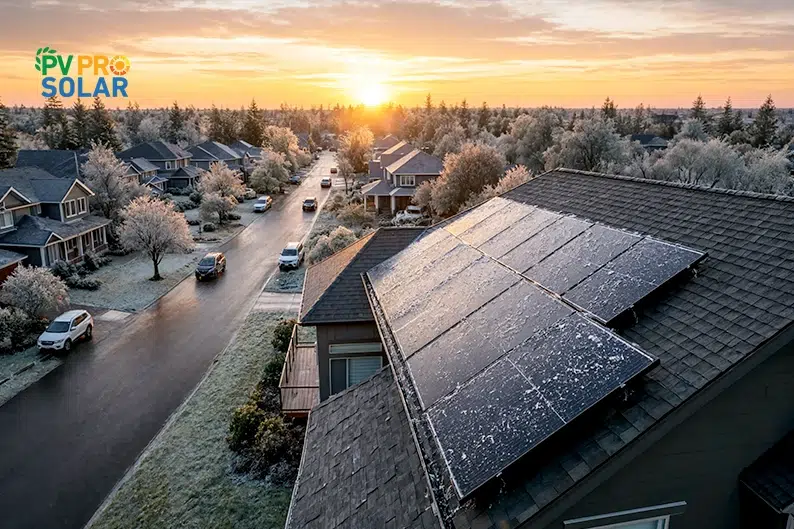
Temperature Tolerance: Solar panels generally perform well in cold weather. In fact, their efficiency can increase as temperatures drop, provided there is sufficient sunlight. Cold temperatures improve the conductivity of panel materials, which can lead to better performance.Snow and Ice Management: Snow can temporarily reduce sunlight exposure on the panels, but it usually isn’t a long-term problem. Due to their angle and surface properties, solar panels are designed to let snow slide off naturally. In addition, many modern panels feature anti-icing properties that help snow and ice shed more effectively.Installation Tips: In regions with heavy snowfall, mounting solar panels at a steeper angle can help snow slide off more easily. It’s also important to ensure the system is properly grounded and insulated to avoid potential frost issues.Performance in Storms and High Winds
Storm Resistance: Solar panels are designed to withstand harsh weather conditions such as strong winds and hail. Most panels undergo rigorous testing to ensure they can withstand hail and wind speeds of up to 240 km/h.System Stability: The overall stability of a solar system also depends on the mounting structure and installation quality. Professionally installed solar panels are securely fastened to withstand strong winds and storm impacts. A robust mounting system and regular inspections are essential for structural integrity.Damage Prevention: In areas prone to frequent severe storms, investing in high-quality solar panels and a well-designed mounting system can help minimize damage. Solar panels that meet certified weather standards offer better protection against extreme conditions.Conclusion
Solar systems are designed to be durable and reliable across a range of weather conditions. While extreme heat can affect panel efficiency, modern solar technology and installation practices help mitigate these effects. Cold weather can even improve performance, and well-designed systems can withstand storms and strong winds.By understanding how solar systems perform under different weather conditions, homeowners and businesses can make informed decisions about their renewable energy investments. Whether installing a new system or maintaining an existing one, it’s essential to ensure that solar panels and components are suited to local climate conditions to maximize efficiency and longevity.PVPro Solar GmbH
In 3 Schritten zur PV-Anfrage
Bedarf klären · Daten senden · Angebot erhalten
Jetzt Anfrage senden1
Bedarf klären
Schritt 1
2
Daten senden
Schritt 2
3
Angebot erhalten
Schritt 3